
Kayak Camping at Lake Powell: A Desert Adventure Like No Other
There’s nowhere quite like Lake Powell. Tucked into the red rock canyons of southern Utah and northern Arizona, this sprawling reservoir offers a surreal blend of desert and water—where sandstone cliffs rise straight from glittering bays, and narrow slot canyons can only be reached by boat. It’s a place of staggering contrasts, controversial history, and wild adventure.
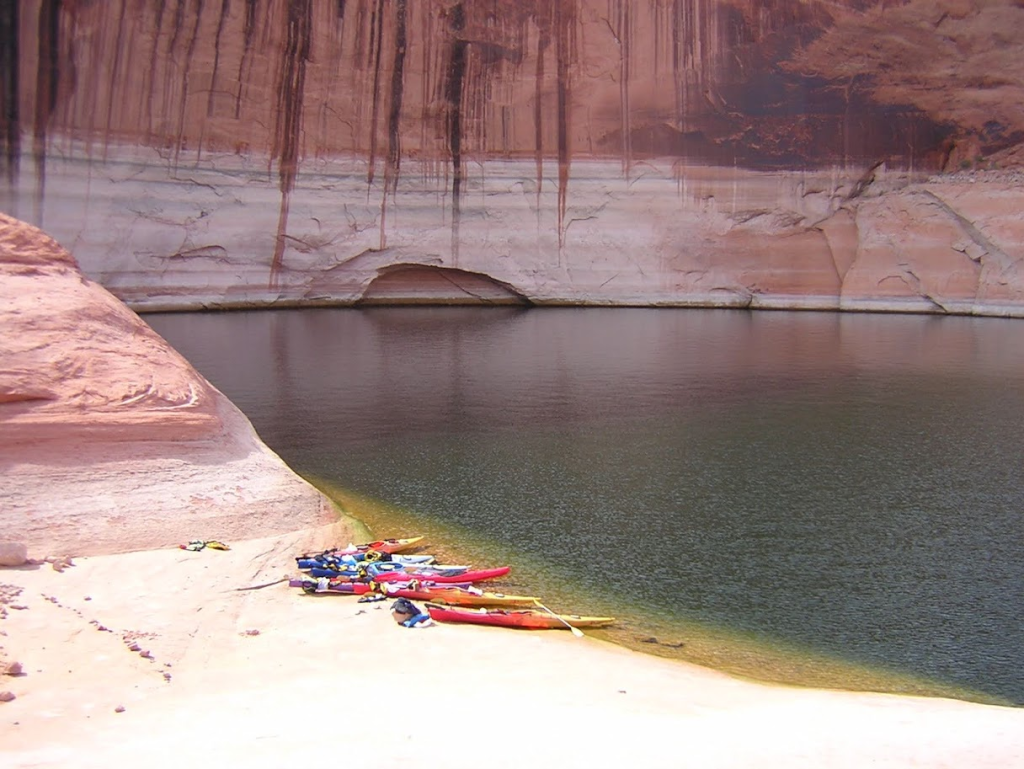
Lake Powell is part of Glen Canyon National Recreation Area, a federally managed stretch of land and water that spans over 1.25 million acres. The lake itself was formed after the construction of Glen Canyon Dam in the 1960s, which backed up the Colorado River to create a massive reservoir stretching over 180 miles when full. It was named after John Wesley Powell, the geologist and explorer who led the first documented expedition down the Colorado River in 1869. His journals painted Glen Canyon as one of the most beautiful stretches of river in the American West—much of which is now submerged beneath the lake that bears his name.
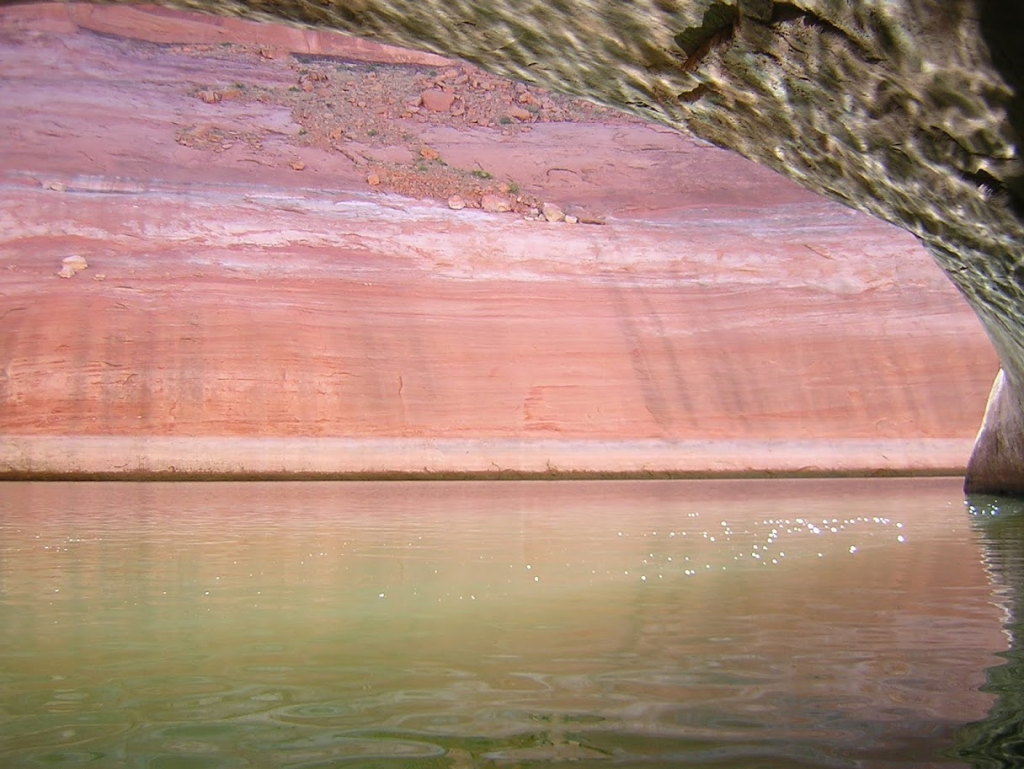
Lake Powell is a place of paradox: breathtaking beauty and stark environmental debate. Many people (rightly) question the long-term impact of damming Glen Canyon. At the same time, for those of us who love water-based adventures in the desert, Lake Powell is unlike anywhere else. You can paddle through flooded canyons, explore secret coves, and fall asleep on remote beaches with red cliffs rising behind your tent. It’s a water lover’s dream dropped in the middle of the high desert.
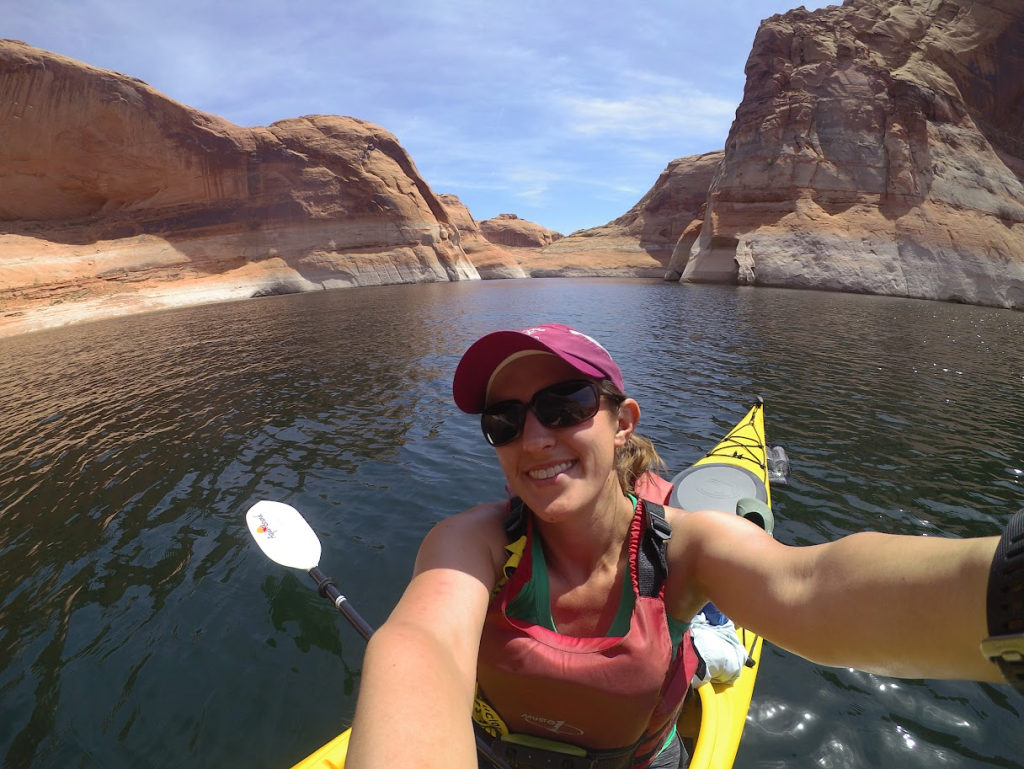
In my humble opinion, the magic of Lake Powell is best experienced by paddle camping. Kayaks and paddleboards let you access quiet coves and remote beaches that houseboaters can’t reach—and it turns the lake into your personal maze of adventure. But before we get to that, let’s get oriented.
Geography: Getting Your Bearings on the Lake
Lake Powell is massive—stretching over 180 miles when full and offering nearly 2,000 miles of shoreline. It’s important to understand the geography before planning your trip, especially if you’re launching under your own power.
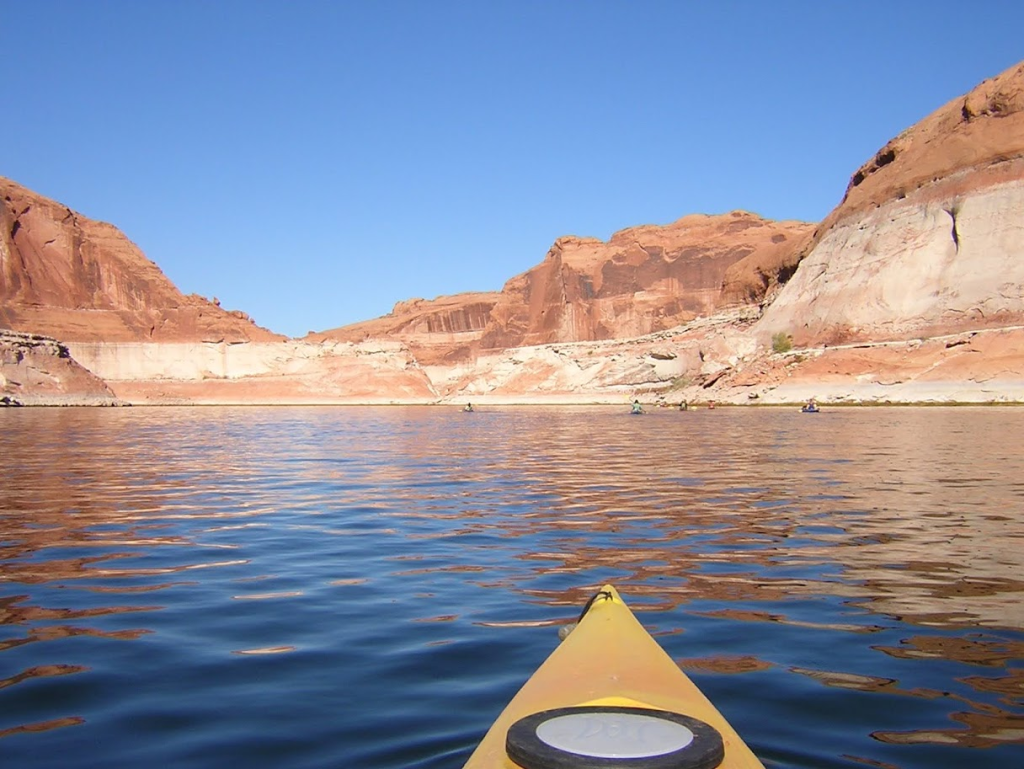
There are two main access points for most visitors:
- Wahweap Marina (Page, Arizona): This is the most developed and popular launch point, located near Glen Canyon Dam. From here, you can explore iconic spots like Antelope Canyon, but you’ll also be sharing the water with tour boats, jet skis, and a lot of houseboat traffic. (I cover more about this area in my Page, Arizona blog post.)
- Bullfrog Marina (Utah): Situated farther north (or “uplake”), Bullfrog is a bit less busy but still offers plenty of amenities. It’s also a couple hours closer to Salt Lake City, which is why I’ve launched from here both times I’ve kayak camped at Lake Powell. Across the channel is Hall’s Crossing, a smaller access point connected by ferry when the water levels allow.
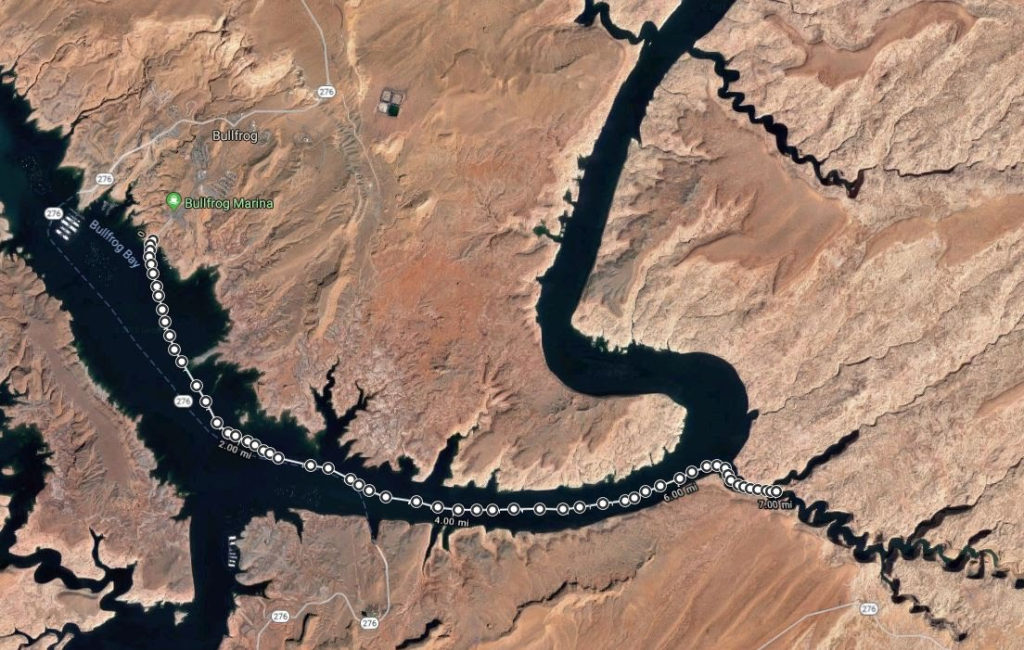
Both times that I’ve gone kayak camping on Lake Powell, I launched from Bullfrog. It offers the perfect mix of accessible services and easy escape into the wild.
Paddling Into the Wild: My Kayak Camping Experience
I’ve had the chance to kayak camp on Lake Powell twice—and both trips were unforgettable for different reasons.
The first time, I was in college and joined a guided overnight tour in early November. It was peaceful and quiet, with very few boats out on the water, but cold. Like, seriously cold—especially at night. I didn’t have to worry about meals or navigation, which made it a relaxing intro to paddle camping. But I remember thinking, next time, I’m going to pick a warmer month.
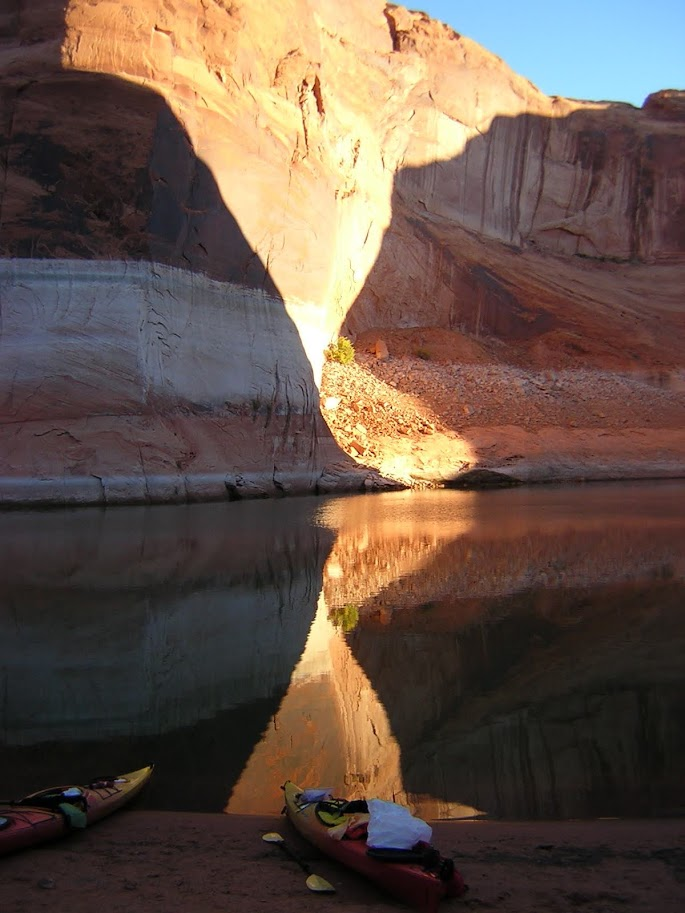
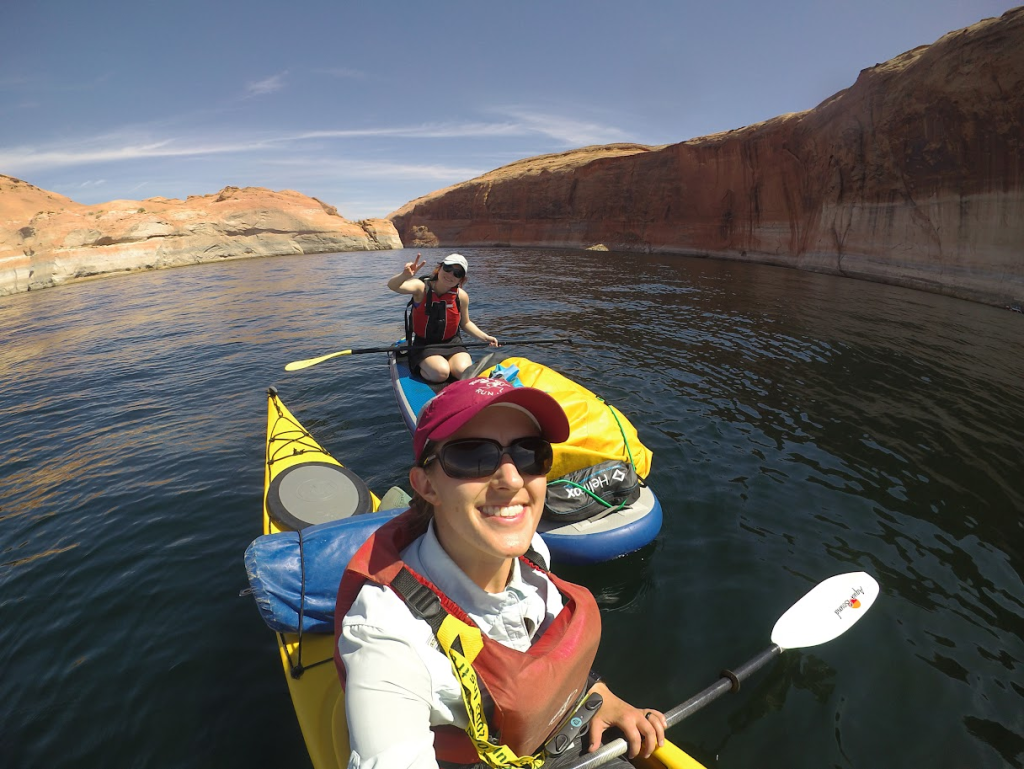
Fifteen years later, I went back—this time on my own, with a friend—and it was pure magic. We went in early May, which I highly recommend. The weather was perfect: warm during the day, cool (but not freezing) at night, and the summer crowds hadn’t yet descended. The water, however, was freezing. Definitely wear your PFD and be mindful of how far you want to swim—hypothermia is a real risk if you end up in the water too long.
Start Early (Trust Me)
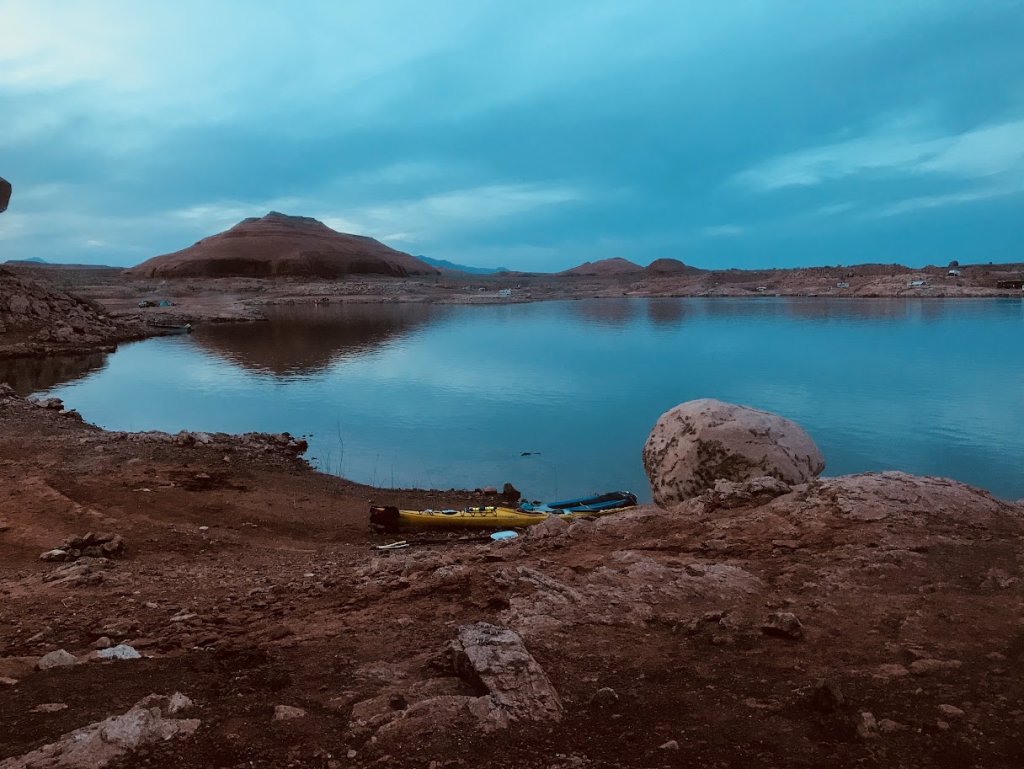
On our first day, we meant to get on the water around noon… but delays happen. We didn’t launch until 4 p.m., which meant we were still paddling when the sun was sinking fast. We had to grab the first decent-looking spot we could find—and luckily, it turned out to be stunning when we woke up! Still, I’d strongly recommend getting an early start to give yourself time to explore and settle in before dark.
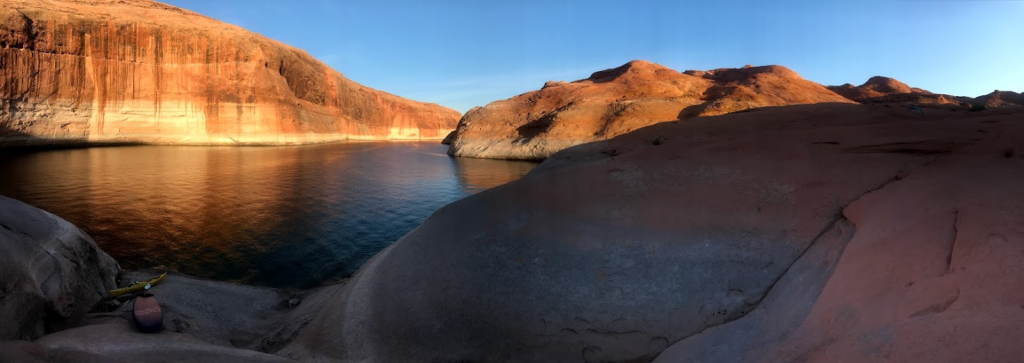
One thing I love about Lake Powell is the freedom to camp anywhere along the shore. There are no designated sites, so you can pull into whatever cove or beach calls your name. On the way back, we stopped at Stanton Creek Primitive Camping Area (near Bullfrog), which has vault toilets and a more established feel. It’s popular with car and RV campers, but you can paddle right up to shoreline spots as well.
What to Pack (and What I Learned)
Kayak camping is a lot like backpacking—but with a boat. You’ll need to pack smart and light, but you can get away with bringing a few more comforts than you would on foot. I used my 15.5-foot sea kayak and packed everything into small dry bags to fit in the hatches. My friend used a large stand-up paddleboard (SUP) with a big dry bag strapped on deck.
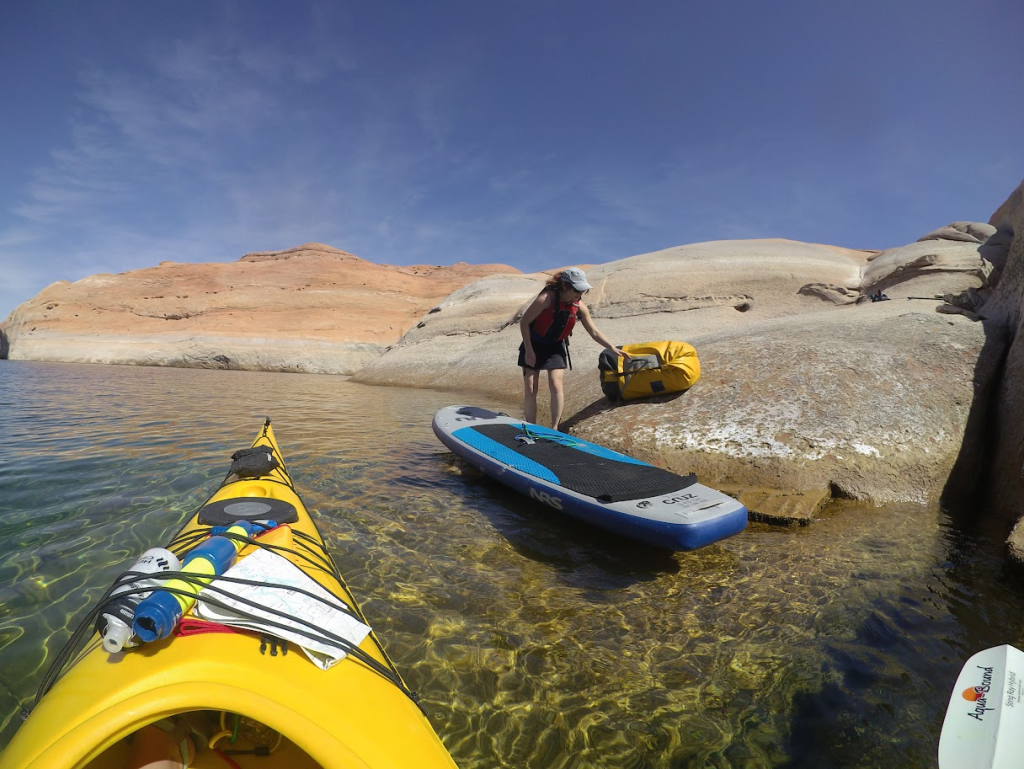
Pro tip: Want to keep your adult beverages cold? Tie a net to your kayak and drag cans in the water behind you while paddling—they’ll be nice and chilled by the time you make camp. My favorite? Spiked Snowmelt from their Skratch series—the electrolytes make it the perfect post-paddle treat.
What’s for Dinner?
You’re unlikely to find firewood at Lake Powell, so plan as if you’re backpacking. I brought my JetBoil stove, which worked perfectly for boiling water for meals and morning coffee. For food, we packed lightweight, no-fuss options:
- Breakfast + Dinner: Rehydrated meals from Backpacker’s Pantry—surprisingly tasty, especially after a long paddle day. I really like the coconut rice and black beans dinner.
- Lunch + Snacks: Think salty and shelf-stable—crackers, dried meat, fruit, hard cheese, trail mix. Calories matter out here, and so does salt.
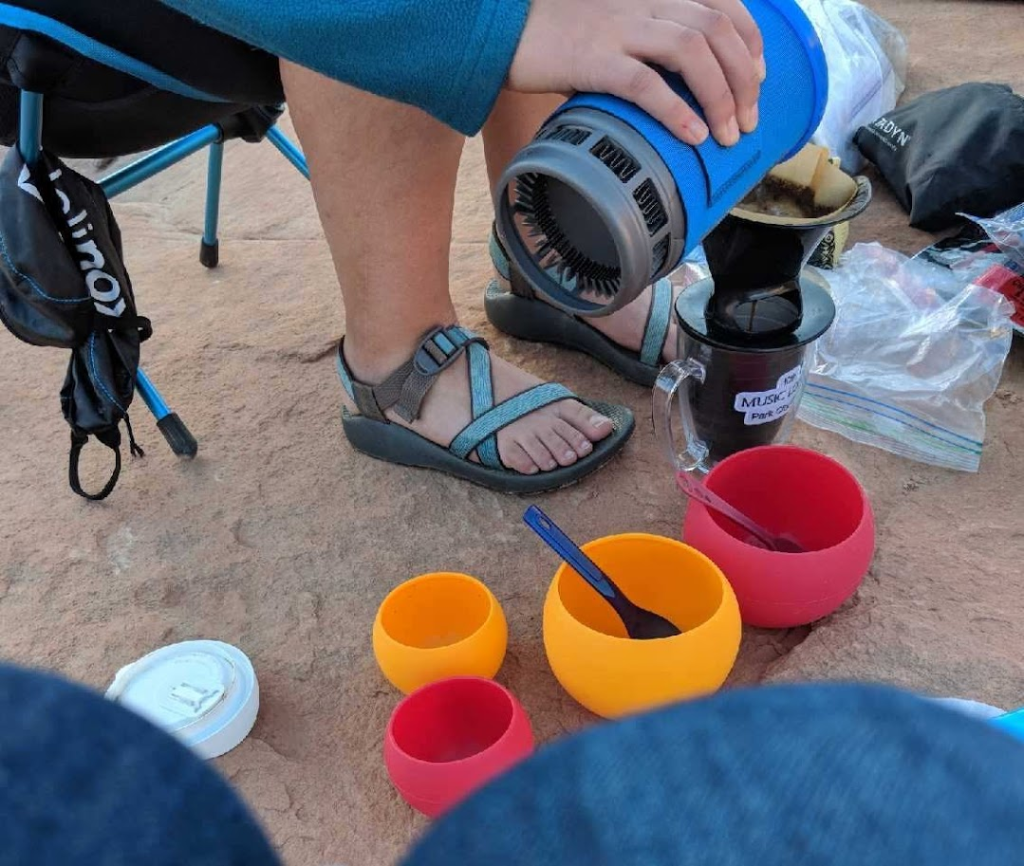
Also love these silicone squishy bowls – they squish into any space!
You could go fancier, but simplicity pays off when your kitchen is in a dry bag and your dining room is a sandstone beach.
Water, Water… Nowhere?
Let’s talk drinking water—because this was almost a disaster. I brought a rental water filter… that turned out to be broken. Luckily, I also packed chlorine treatment tablets, but they took eight hours to work. So, what did we do in the meantime? Drank canned wine. Not my proudest hydration moment.
Moral of the story: bring more water than you think you’ll need (start with at least a few gallons per person), and always have two methods of water treatment. Bonus tip: use electrolyte packets like LMNT or Skratch to improve the taste and stay balanced in the dry desert heat.
Leave No Trace (and Yes, That Includes the Gross Stuff)
Lake Powell requires all overnight campers to bring a portable toilet system. Guided trips usually have a “groover” setup (like on river trips), but I used wag bags—make sure yours are rated for human waste and dispose of them properly once you’re back. It’s not glamorous, but it’s 100% necessary.
Safety First, Always
Lake Powell is remote, and help isn’t close by. Make sure you know how to self-rescue if you’re kayaking—especially if you’re going solo or without a guide. SUPs are easier to climb back onto if you fall in, but with a kayak, it’s smart to practice using a paddle float or other re-entry method before your trip. Let someone know your route and return time, check the weather forecast, and always bring a map or GPS. Weather can change quickly on the lake, and wind can make paddling brutal.
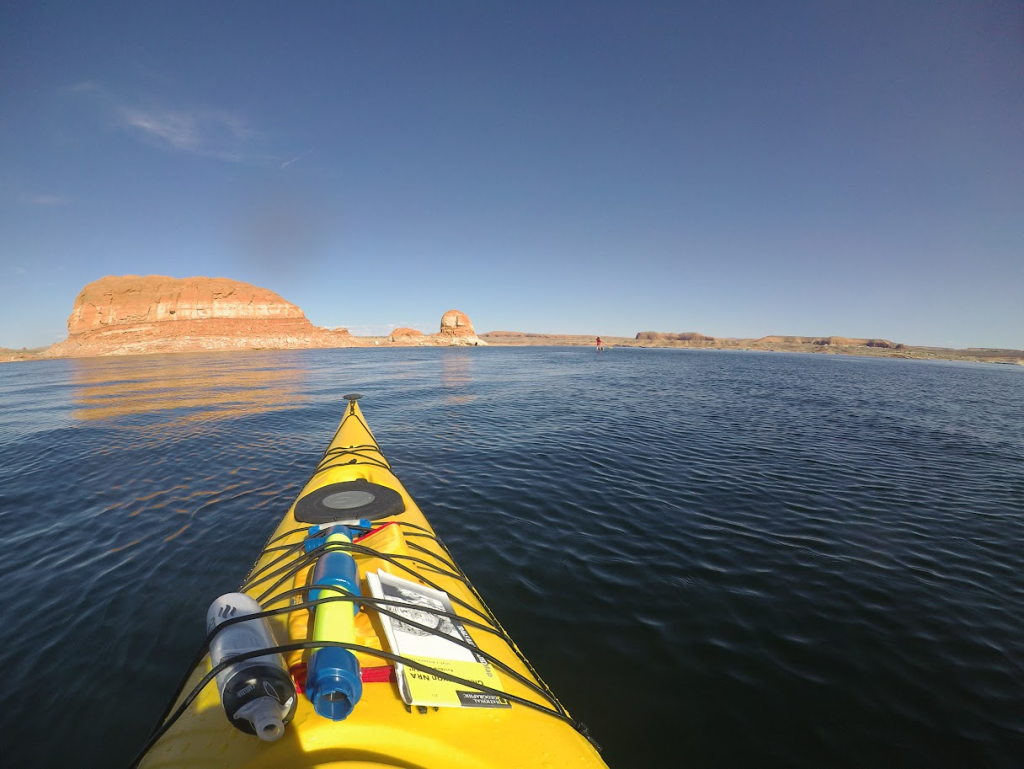
We paddled up into Moqui Canyon, which was about 6 miles one way at the time (water levels affect this). The paddle in was peaceful, with steep canyon walls and beautiful reflections—but give yourself extra time for the return trip, especially if wind picks up or the route changes with receding water.
Ready to Paddle into the Wild?
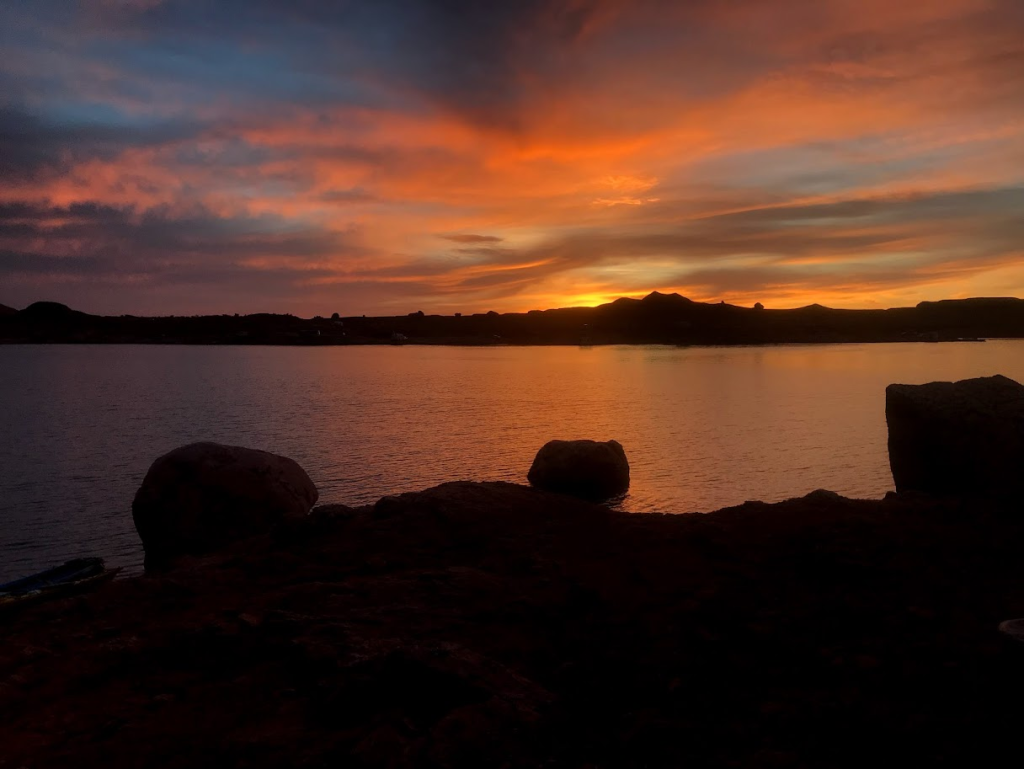
Kayak camping at Lake Powell is one of the most unforgettable ways to experience the desert—paddling beneath towering red cliffs, sleeping under a sky full of stars, and exploring hidden canyons you can’t reach any other way. It takes preparation, a little grit, and a sense of adventure—but the reward? Pure magic.
If the idea of venturing out on your own feels a little daunting, you’re not out of luck. Lake Powell Paddleboards and Kayaks offers guided overnight tours out of Page, AZ—including multi-day trips where they handle the logistics, gear, and food. You just show up ready to paddle and explore. Check out their tour offerings here.
📍 Planning a bigger Southwest adventure? Lake Powell pairs perfectly with other iconic Utah destinations. You can:
- Wander the slot canyons of Grand Staircase–Escalante
- Hike among the hoodoos in Bryce Canyon
- Explore orchards and cliffs in Capitol Reef
For even more trip inspiration and detailed guides, head over to the blog index. I’ve got tips, itineraries, and first-hand stories to help you plan your dream adventure. And if you’d like personalized help pulling it all together—from routes to rentals—I’d love to work with you. Check out my travel planning services to get started.